
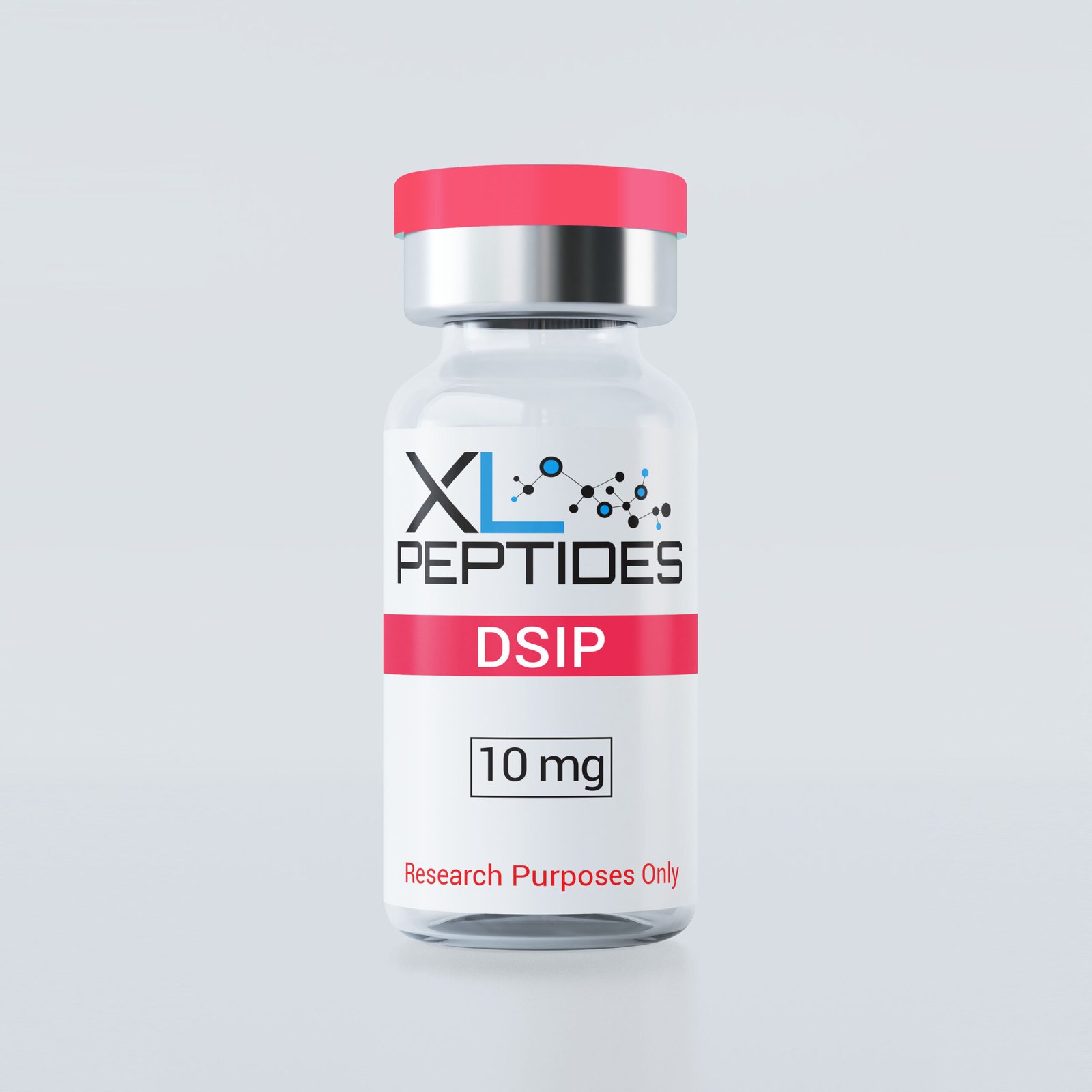
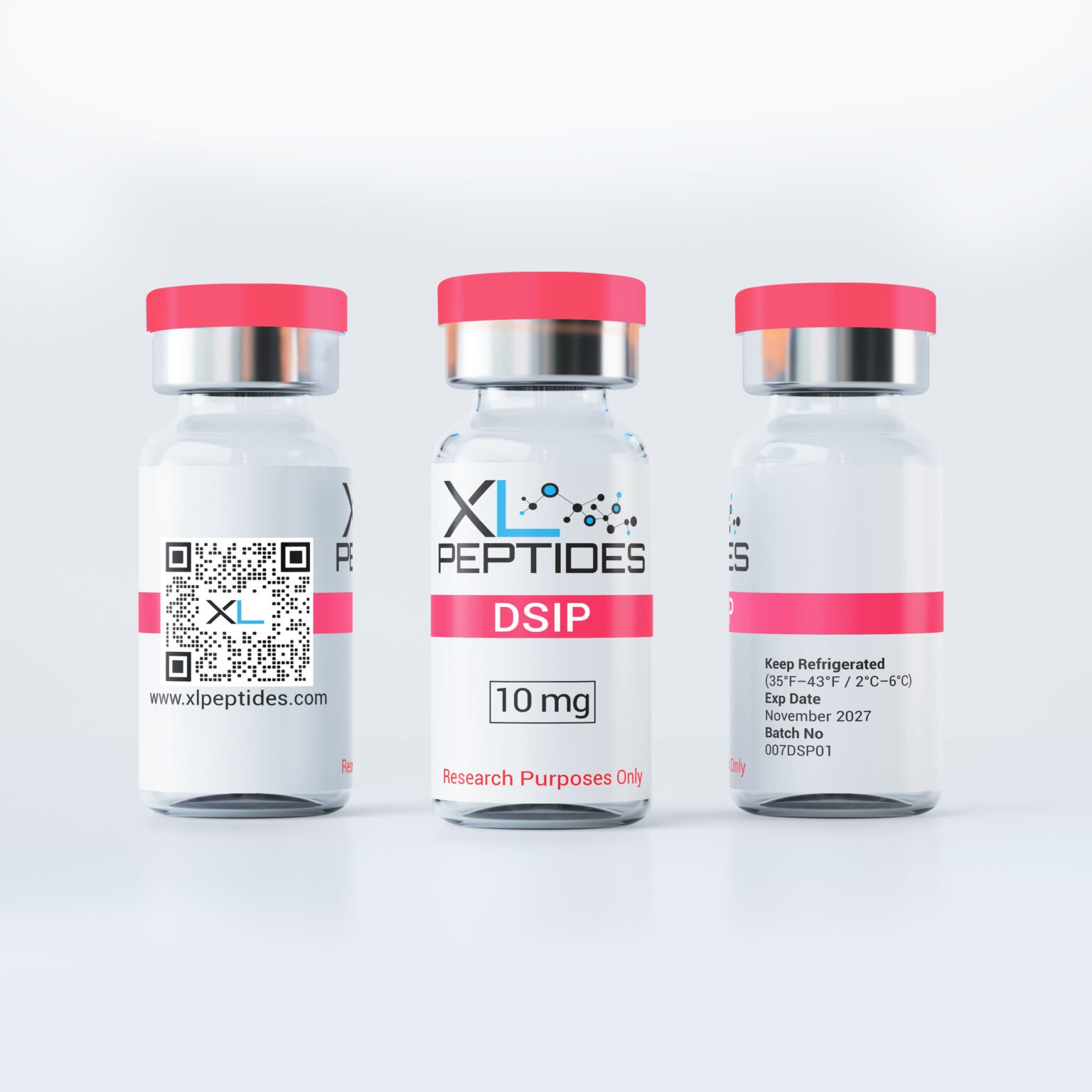
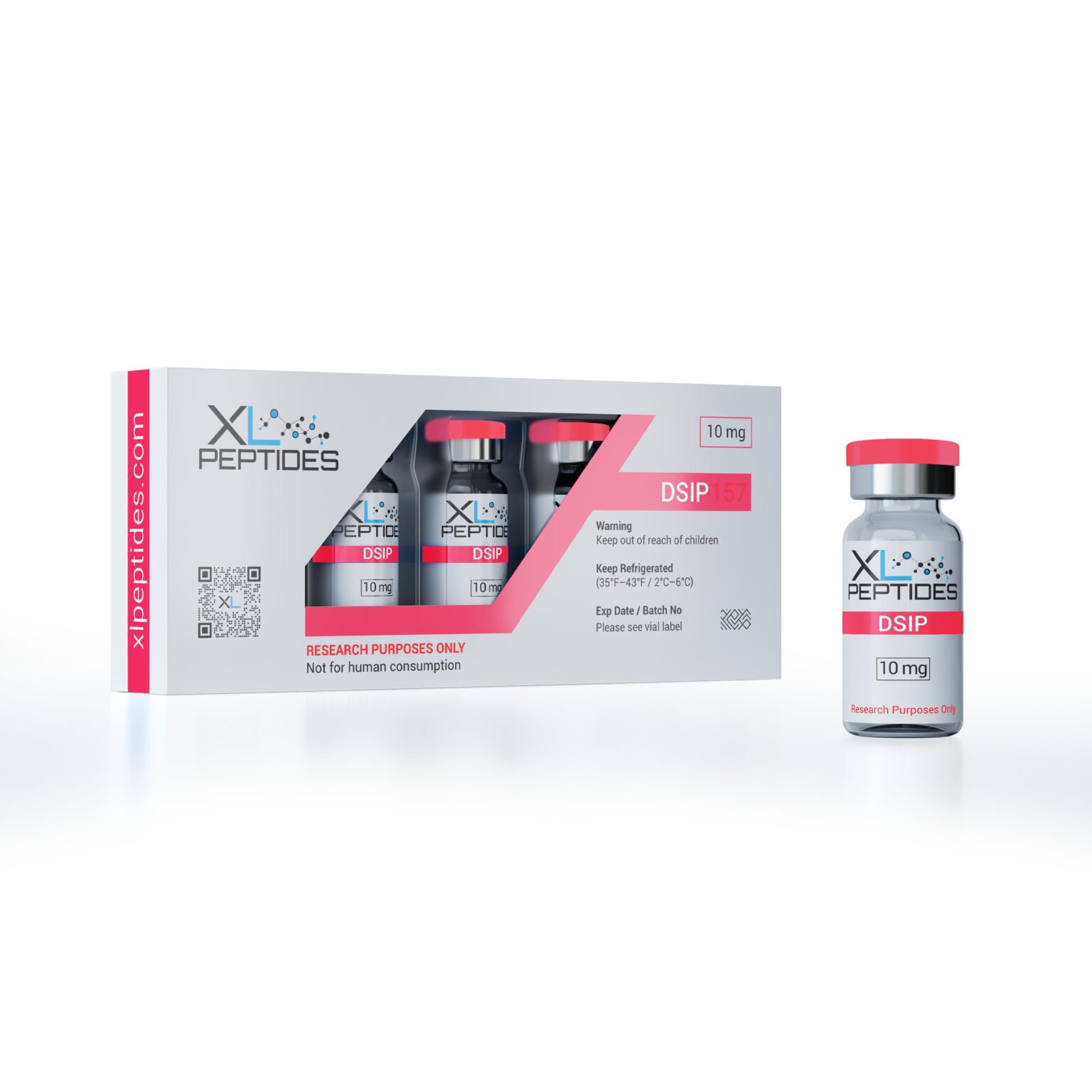
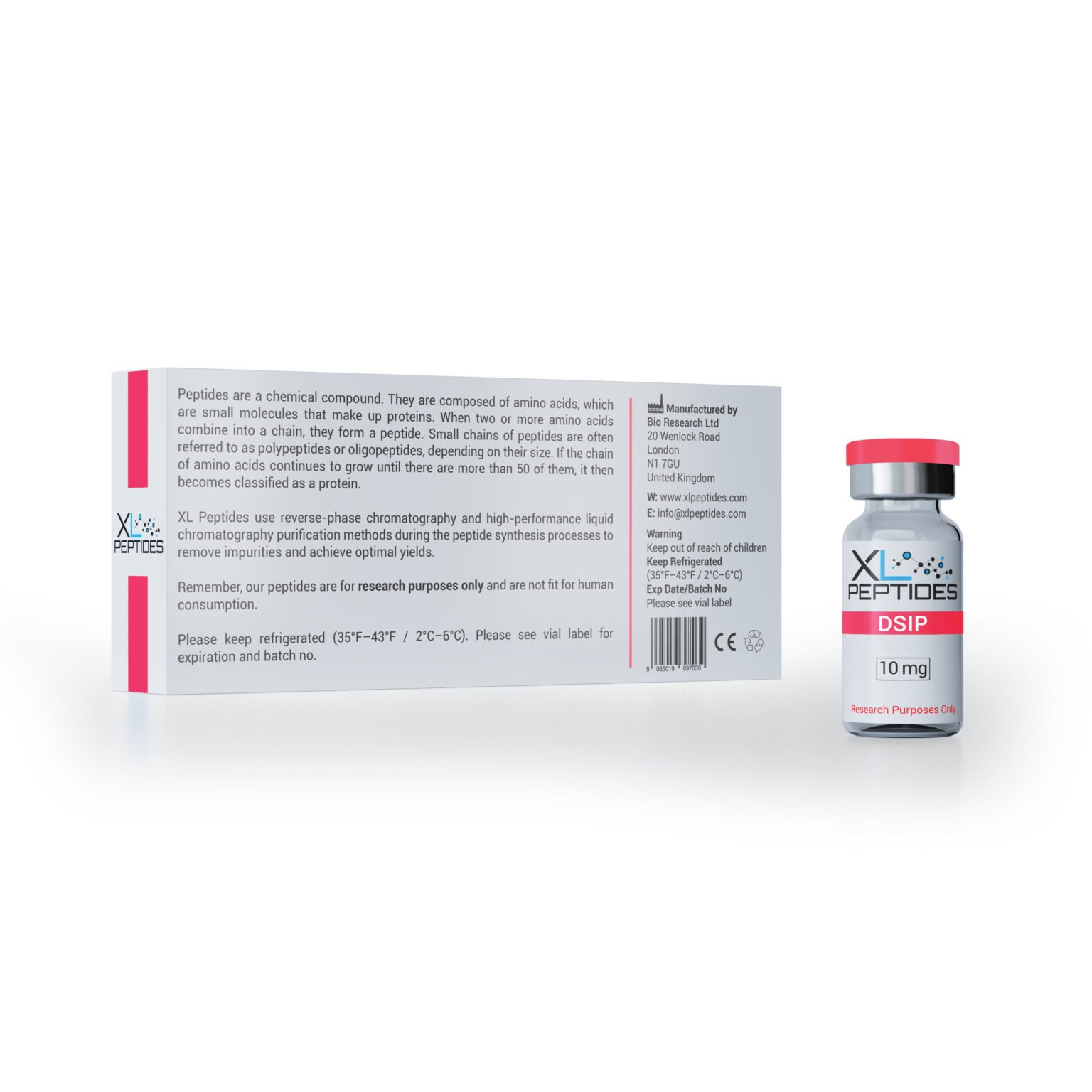
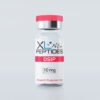
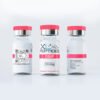
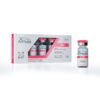
DSIP 10mg
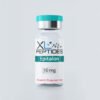
Price range: $60.00 through $75.00
DSIP peptide, short for Delta Sleep-Inducing Peptide, is a small neuropeptide that has attracted scientific interest because of its reported associations with sleep-related processes, neurobiology, stress responses, and physiological signaling. Researchers have studied DSIP in experimental settings to better understand how short peptide sequences may interact with biological systems.
DSIP Peptide: Research-Grade Delta Sleep-Inducing Peptide
Overview
DSIP peptide, short for Delta Sleep-Inducing Peptide, is a small neuropeptide that has attracted scientific interest because of its reported associations with sleep-related processes, neurobiology, stress responses, and physiological signaling. Researchers have studied DSIP in experimental settings to better understand how short peptide sequences may interact with biological systems.
For research organizations, laboratories, and qualified investigators, DSIP provides an interesting model for exploring peptide structure, biological activity, and experimental mechanisms. Furthermore, its relatively small peptide structure makes it suitable for laboratory investigations involving peptide characterization and analytical techniques.
This product is intended for research and laboratory use only. It is not intended to diagnose, treat, cure, or prevent any disease or medical condition. In addition, it should not be represented as a dietary supplement, pharmaceutical product, or substitute for professional medical care.
What Is DSIP Peptide?
Delta Sleep-Inducing Peptide is a naturally occurring peptide that was first investigated in connection with sleep and neurophysiological activity. Researchers subsequently explored its potential biological significance across several experimental areas.
Unlike conventional small-molecule compounds, peptides consist of linked amino acids arranged in a specific sequence. Consequently, their identity, purity, molecular characteristics, and handling conditions can be important considerations when designing laboratory experiments.
DSIP has therefore remained a subject of interest within peptide research. Researchers may examine the compound as part of investigations into peptide signaling, neurobiology, sleep-associated mechanisms, and related physiological pathways.
Moreover, laboratory-grade DSIP can serve as a useful material for analytical and experimental workflows where controlled peptide samples are required.
Key Research Characteristics
Several characteristics make DSIP particularly relevant for laboratory research.
First, its defined peptide sequence allows researchers to investigate a specific molecular structure under controlled experimental conditions. Second, its small size makes it compatible with a range of analytical approaches used in peptide research. Finally, researchers can compare DSIP samples with controls or other peptide materials to investigate differences in experimental outcomes.
However, experimental requirements vary between laboratories. Therefore, researchers should establish appropriate specifications before ordering or incorporating DSIP into a study.
Important considerations can include:
- Peptide identity and sequence
- Purity specifications
- Analytical documentation
- Batch information
- Storage requirements
- Packaging format
- Quantity required for the planned study
- Intended analytical or experimental application
By evaluating these factors in advance, laboratories can select materials that are appropriate for their specific research protocols.
DSIP Peptide Purity and Quality
Purity is an important consideration when selecting research peptides. Even relatively small quantities of unintended materials can affect experimental interpretation, depending on the study design and analytical method.
For this reason, researchers commonly review available quality documentation before using a peptide. Depending on the supplier and product specification, documentation may include analytical results, batch identification, peptide purity information, and other relevant quality-control data.
Furthermore, researchers should distinguish between a product’s stated purity and independently verified analytical performance. A certificate of analysis can provide useful batch-specific information, although researchers remain responsible for determining whether the supplied documentation meets their experimental requirements.
Consistent manufacturing and documentation can also support reproducibility. Consequently, laboratories conducting repeated experiments may benefit from maintaining clear records of supplier information, batch numbers, storage conditions, and preparation procedures.
Research Applications
DSIP has been investigated in a variety of experimental contexts, particularly those involving neurobiology and sleep-related research. Researchers may use peptide materials to examine biological pathways, molecular interactions, or responses under controlled laboratory conditions.
Importantly, research interest does not establish a clinical benefit. Experimental observations should therefore be interpreted within the context of the specific study, model, methodology, and available scientific evidence.
DSIP may also be considered in analytical research involving peptide identification and characterization. For example, laboratories can investigate peptide properties using appropriate analytical instrumentation and validated laboratory methods.
In addition, researchers studying peptide chemistry may use DSIP as a reference or experimental material when examining characteristics such as molecular composition, analytical profiles, or stability.
Why Choose a Research-Grade DSIP Peptide?
When purchasing research peptides, laboratories generally look beyond the product name alone. Instead, they evaluate the complete quality profile and documentation associated with the material.
A suitable research-grade DSIP product should be accompanied by clear product information. Likewise, researchers may consider whether the supplier provides batch-specific documentation and transparent specifications.
Here are several factors worth evaluating:
Defined identity: The peptide should have a clearly identified molecular identity and sequence.
Documented purity: Available analytical information should clearly state the applicable purity specification.
Batch traceability: Batch or lot information can help researchers maintain accurate experimental records.
Appropriate packaging: Packaging should protect the peptide during transportation and storage according to the stated handling requirements.
Clear labeling: Research materials should be clearly labeled with relevant identification and handling information.
Consistent documentation: Reliable documentation can simplify laboratory recordkeeping and quality-control procedures.
Together, these characteristics can help researchers make informed purchasing decisions.
Handling and Storage Considerations
Peptides can require careful handling because environmental conditions may influence their stability. Accordingly, researchers should always follow the storage and handling instructions supplied with the specific product.
Before beginning an experiment, review the product documentation and laboratory safety procedures. Additionally, minimize unnecessary exposure to unsuitable environmental conditions and use appropriate laboratory practices when preparing research materials.
Storage requirements can vary according to formulation, packaging, concentration, and other product characteristics. Therefore, researchers should not assume that one storage protocol applies to every peptide product.
Likewise, preparation procedures should be determined according to the experimental protocol and validated laboratory practices. Researchers should maintain appropriate records of preparation, storage, and use.
DSIP Peptide for Laboratory Research
The growing interest in peptide-based research has increased the importance of well-characterized laboratory materials. In this context, DSIP represents a specialized research peptide for investigators examining neurobiological and peptide-related questions.
Because DSIP research can involve complex biological systems, experimental controls remain particularly important. Researchers should establish suitable controls, define measurable endpoints, and document relevant experimental conditions.
Furthermore, results should be evaluated objectively rather than interpreted solely according to the expected activity of a peptide. Appropriate controls and validated analytical methods can help distinguish peptide-specific observations from experimental variability.
For laboratories building peptide research programs, consistent sourcing can also simplify longitudinal studies. Using clearly documented materials can make it easier to compare batches and maintain reliable laboratory records.
Frequently Asked Questions
What does DSIP stand for?
DSIP stands for Delta Sleep-Inducing Peptide. It is a peptide that has been investigated in experimental research involving sleep-related and neurobiological processes.
Is DSIP a pharmaceutical?
This research product should not be considered or marketed as a pharmaceutical. It is supplied for laboratory and research applications and should be used only within appropriate research settings.
What should I look for when purchasing DSIP peptide?
Researchers should consider peptide identity, stated purity, batch documentation, analytical information, packaging, storage requirements, and supplier transparency. Additionally, the specifications should match the requirements of the intended research protocol.
Does DSIP have established medical uses?
Research findings should not automatically be interpreted as evidence of an established medical use. This product is not intended to diagnose, treat, cure, or prevent any disease or medical condition.
How should DSIP be stored?
Storage conditions depend on the specific product formulation and supplier specifications. Researchers should follow the documentation supplied with their particular batch rather than relying on a generalized storage recommendation.
Can DSIP be used in laboratory experiments?
DSIP can be investigated as a research peptide in appropriate laboratory settings. However, researchers should determine its suitability for a particular experiment based on the study design, available documentation, and applicable laboratory procedures.
Ordering Research-Grade DSIP Peptide
Selecting a research peptide requires attention to both product specifications and documentation. Therefore, laboratories should review the available information before placing an order.
In particular, confirm the requested quantity, product specification, batch information, analytical documentation, packaging format, and applicable storage requirements. This approach can help reduce uncertainty and support better laboratory planning.
Researchers should also ensure that their institution permits the acquisition and use of the material and that all applicable regulations and laboratory procedures are followed.
Conclusion
DSIP peptide is a specialized research material that continues to attract interest within peptide and neurobiological research. Its defined molecular structure makes it suitable for controlled laboratory investigation, while its history of scientific study provides researchers with several avenues for further exploration.
However, quality and documentation remain essential. By considering peptide identity, purity, batch information, analytical documentation, storage requirements, and supplier transparency, researchers can make more informed decisions when selecting DSIP for laboratory work.
Ultimately, DSIP should be approached as a research compound rather than a consumer health product. Proper experimental design, appropriate controls, validated analytical methods, and responsible laboratory practices are essential for generating meaningful and reproducible results.
Research Use Only. Not for human or veterinary use. Not intended for diagnosis, treatment, cure, or prevention of any disease.
| Weight | 5mg 10vials, 10mg 10vials |
|---|
Be the first to review “DSIP 10mg”
Related products
PEPTIDES
PEPTIDES

PEPTIDES
PEPTIDES
PEPTIDES
PEPTIDES
PEPTIDES
PEPTIDES
Reviews
There are no reviews yet.