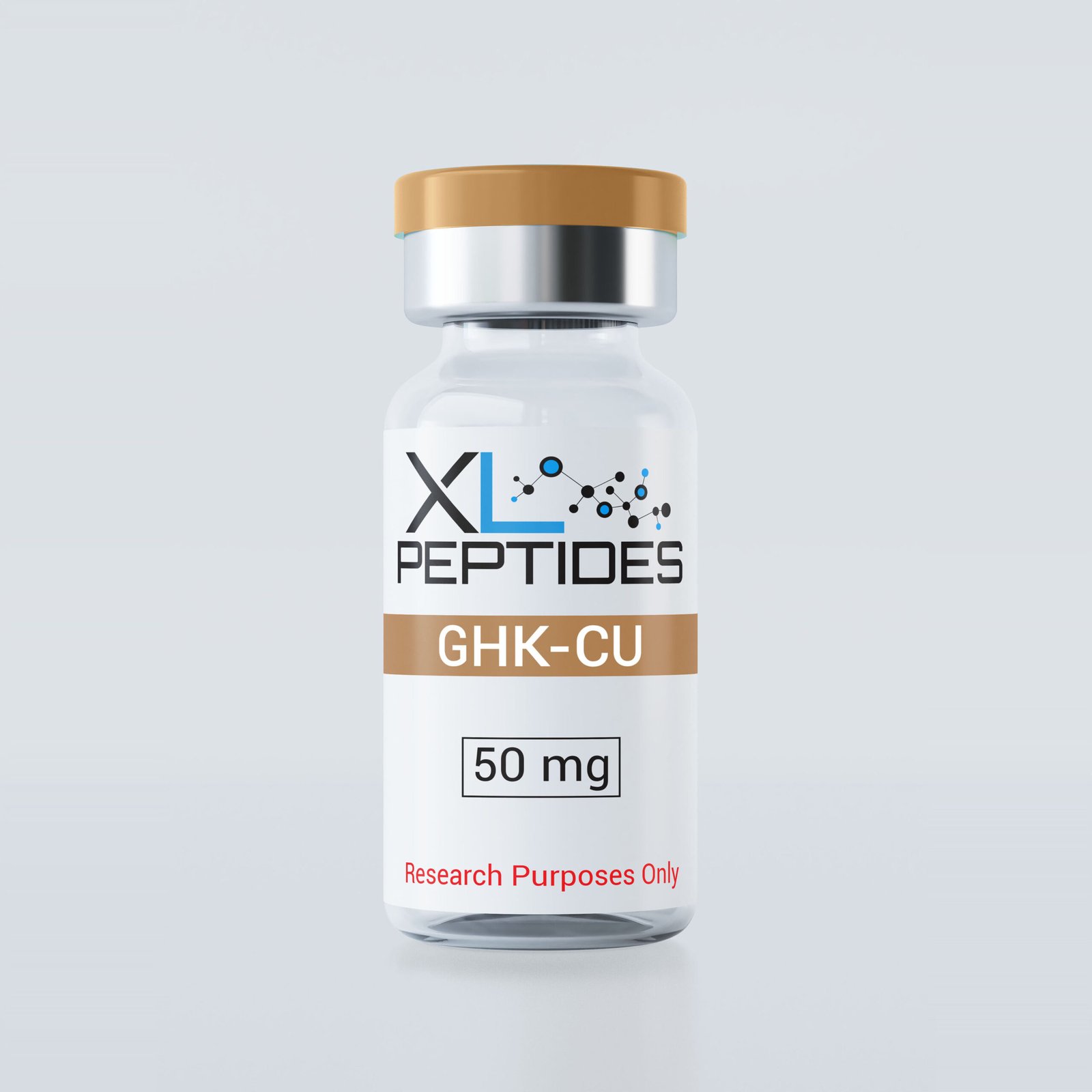
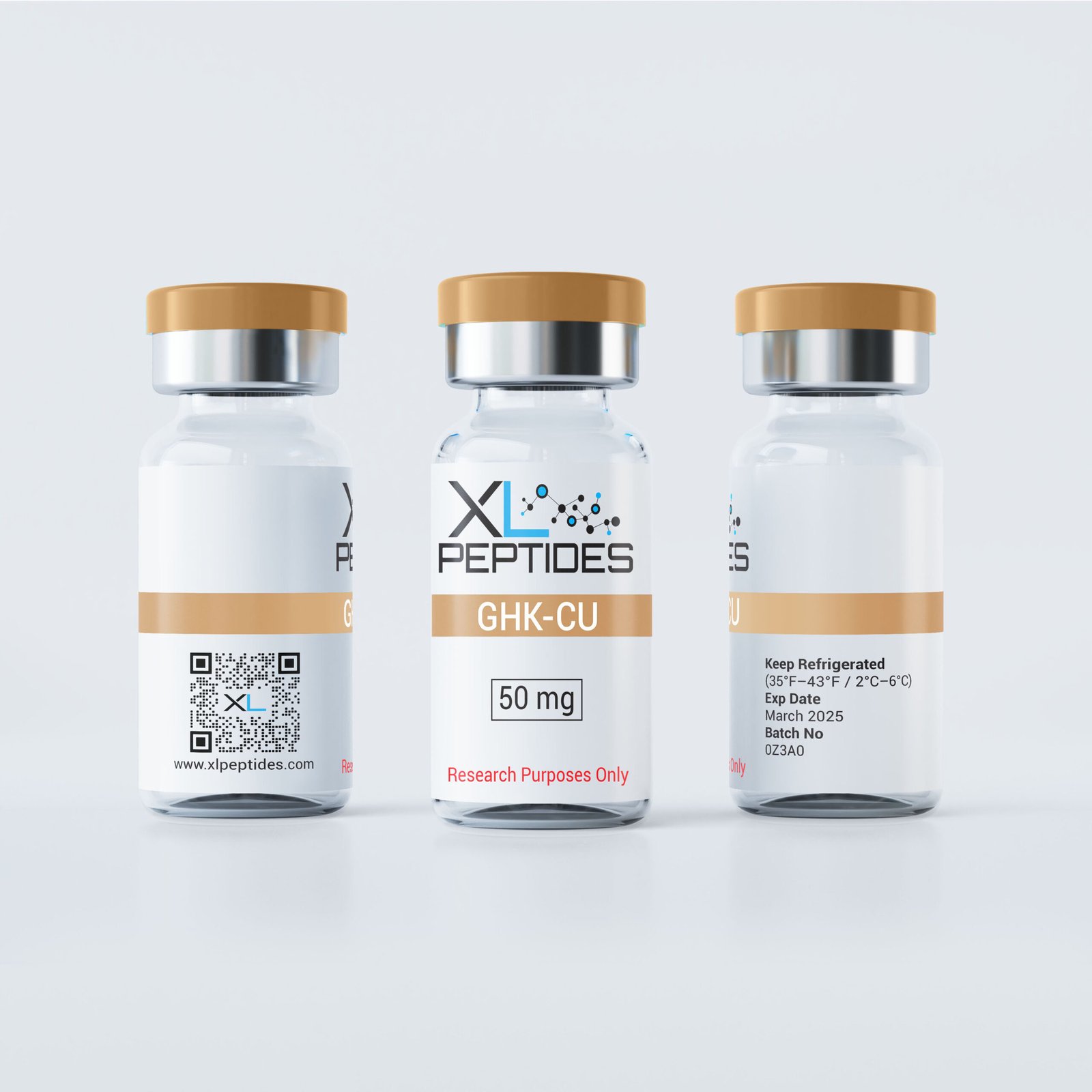
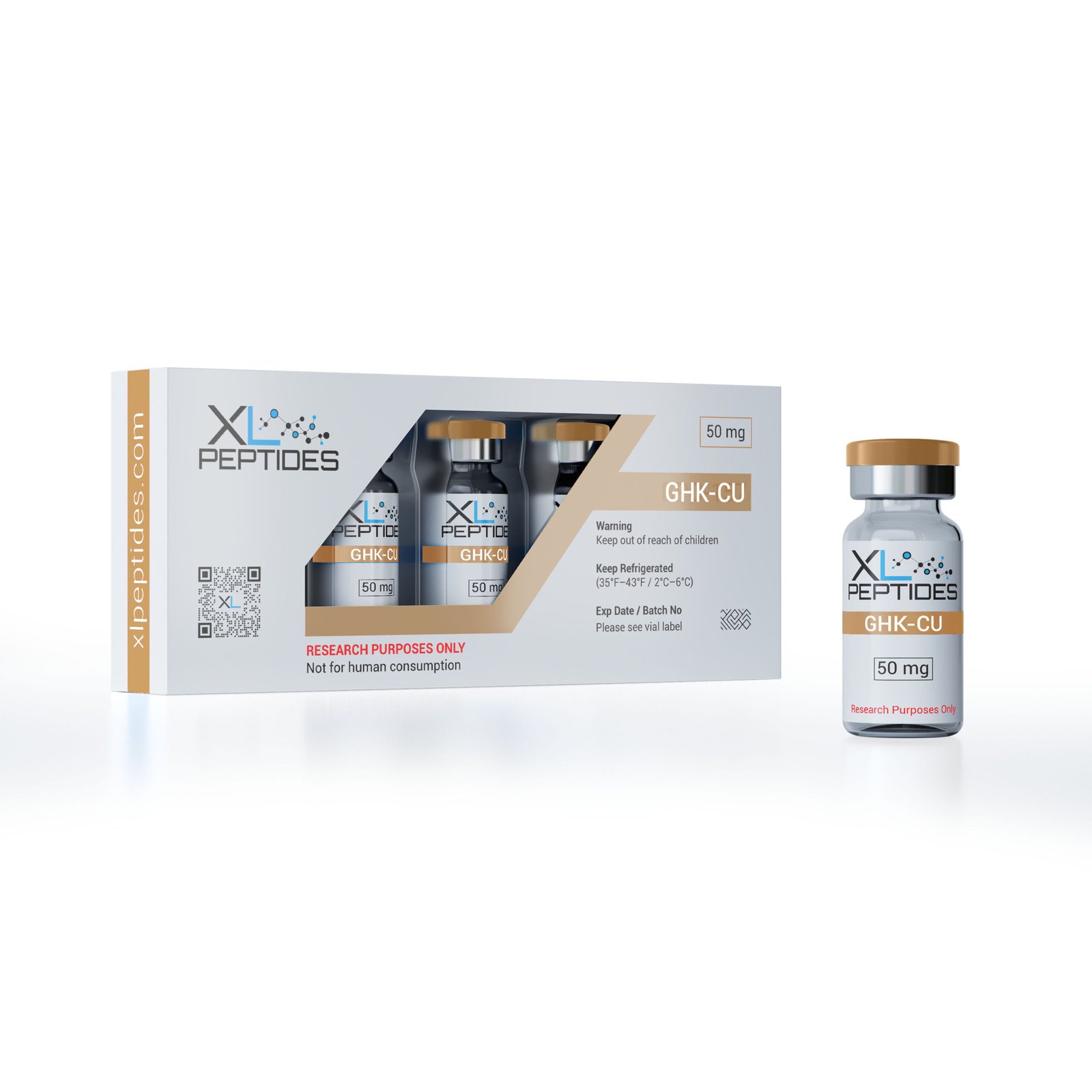
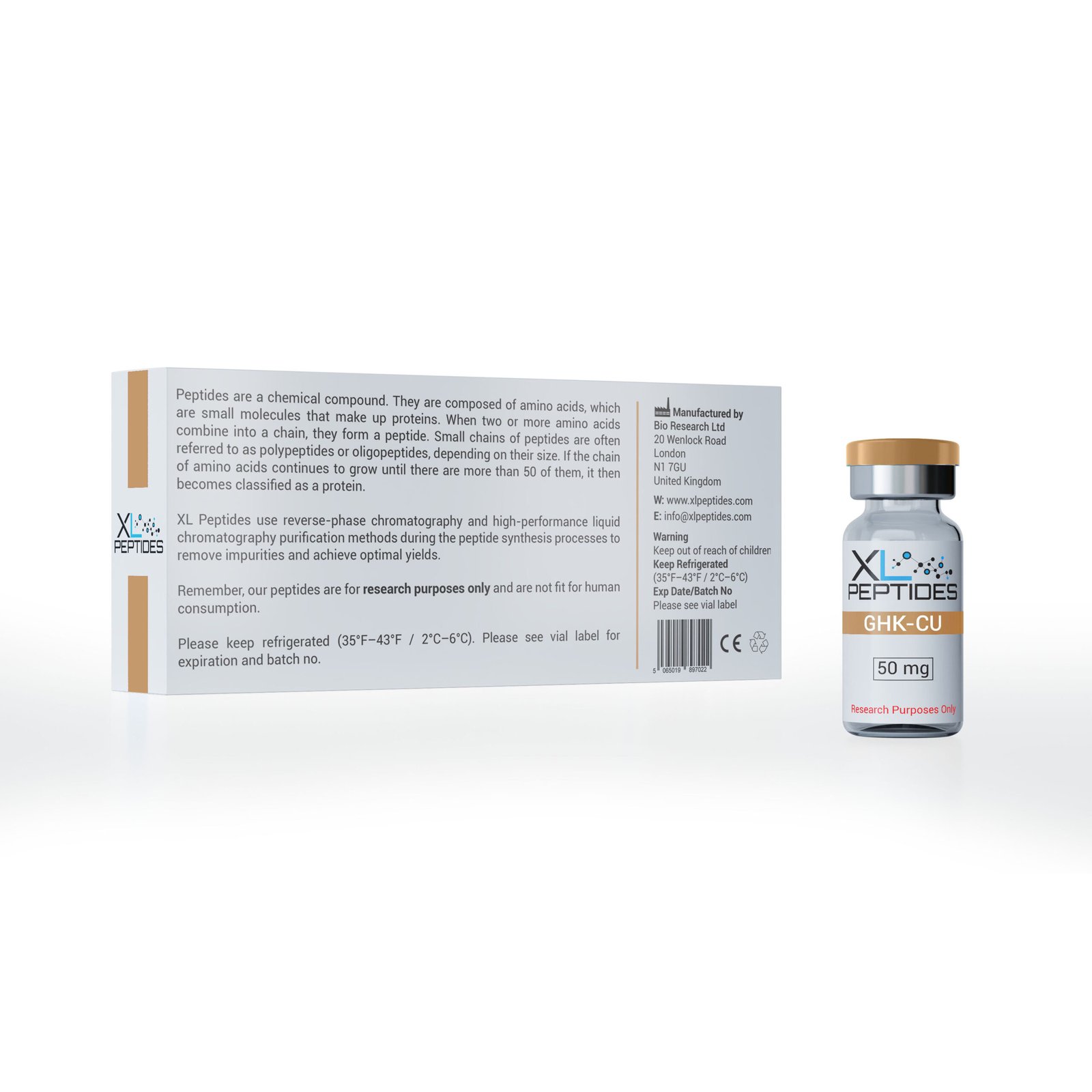
GHK-Cu Copper Peptide:
Advanced Peptide Support for Healthier-Looking Skin
Discover the benefits of GHK-Cu, a copper peptide widely recognized in cosmetic and skincare research for its role in supporting the appearance of healthy, resilient skin. Also known as Copper Tripeptide-1, GHK-Cu combines a naturally occurring peptide sequence with copper to create a sophisticated cosmetic ingredient for modern skincare formulations.
As skincare continues to move toward science-led ingredients, peptides have become increasingly popular among consumers looking for targeted solutions for visible signs of aging, uneven texture, and loss of firmness. GHK-Cu stands out because it is associated with processes involved in skin renewal, extracellular matrix support, and collagen-related activity.
Whether you are developing an advanced facial serum, researching peptide-based skincare, or looking for a professional-grade cosmetic ingredient, GHK-Cu offers an intriguing addition to a carefully formulated skincare routine.
What Is GHK-Cu?
GHK-Cu is the commonly used name for Copper Tripeptide-1, a copper-binding peptide consisting of the amino acids glycine, histidine, and lysine. The peptide is naturally associated with biological processes in the human body, while cosmetic formulations use it as a functional active ingredient.
Importantly, GHK-Cu is not simply another moisturizing ingredient. Instead, it belongs to the broader category of bioactive peptides, which are studied for their ability to participate in cellular signaling and support processes associated with skin structure.As a result, GHK-Cu has attracted considerable interest within cosmetic science and advanced skincare formulation.
The ingredient is particularly appealing for formulations focused on mature-looking skin, texture refinement, firmness, and overall skin appearance. Moreover, its compatibility with the growing peptide-skincare trend makes it a popular choice for brands seeking innovative active ingredients.
Why GHK-Cu Is Popular in Modern Skincare
Healthy-looking skin depends on several interconnected biological processes. Collagen, elastin, glycosaminoglycans, and other components of the extracellular matrix contribute to the skin’s structure, resilience, and appearance.
Over time, however, visible changes can occur. Skin may appear less firm, fine lines can become more noticeable, and texture may look less smooth. Environmental exposure and normal aging can further influence the appearance of the skin.
Consequently, consumers are increasingly interested in skincare ingredients that support the skin’s natural functions rather than simply providing temporary surface hydration.
This is where copper peptides such as GHK-Cu attract attention.
GHK-Cu is researched for its relationship with extracellular matrix processes, fibroblast activity, tissue remodeling, and other biological pathways relevant to skin health. Therefore, it has become an ingredient of interest in cosmetic formulations designed to promote a smoother, firmer, and more youthful-looking appearance.
Key Cosmetic Benefits of GHK-Cu
Supports the Appearance of Firmer Skin
One of the primary reasons consumers seek peptide skincare is the desire for improved-looking firmness. GHK-Cu is associated with biological processes involving the extracellular matrix, which plays an important role in the structure and appearance of skin.
With consistent skincare use and an appropriate formulation, GHK-Cu can therefore complement a routine designed around maintaining a firm, healthy-looking complexion.
Helps Support Collagen-Related Skin Processes
Collagen is a major structural protein in the skin. It contributes to the appearance of firmness, smoothness, and elasticity.
GHK-Cu has been investigated for its relationship with collagen synthesis and extracellular matrix activity. For this reason, copper peptide products are often positioned within skincare routines designed to address visible signs associated with skin aging.
Rather than promising to reverse aging, a well-formulated GHK-Cu product can be presented as part of a broader approach to supporting the appearance of healthy and resilient skin.
Promotes a Refined-Looking Skin Texture
Texture is another major concern for skincare consumers. Roughness, dryness, and visible fine lines can make the complexion appear less smooth.
Because GHK-Cu is used in formulations targeting skin renewal and structural support, it can complement products intended to improve the overall appearance of skin texture.
Furthermore, combining a copper peptide with appropriate moisturizing and barrier-supporting ingredients may help create a more comprehensive skincare experience.
Supports Skin Recovery
Skin is continuously exposed to environmental stressors. Sun exposure, pollution, dryness, and other external factors can affect the way skin looks and feels.
Research surrounding GHK-Cu has examined its relationship with tissue repair and wound-healing processes. In cosmetic skincare, however, product claims should remain appropriate to the formulation and intended use.
Therefore, GHK-Cu is best positioned as a cosmetic ingredient that supports the appearance of healthy skin rather than as a medical treatment for wounds or skin disorders.
Complements Anti-Aging Skincare Routines
Visible signs of aging can include fine lines, uneven texture, reduced-looking firmness, and changes in skin tone. Consequently, consumers often build routines around ingredients that address several aspects of skin appearance.
GHK-Cu fits naturally into this category of advanced peptide skincare. Its association with collagen-related processes and extracellular matrix support makes it particularly interesting for consumers seeking sophisticated anti-aging formulations.
Additionally, copper peptide products can be incorporated into routines alongside other carefully selected skincare ingredients, depending on the formulation and individual skin needs.
GHK-Cu for Different Skin Types
A well-designed GHK-Cu formulation may be suitable for a variety of skin types. However, the final performance of a product depends on much more than the active ingredient alone.
The concentration of GHK-Cu, formulation technology, supporting ingredients, pH, packaging, stability, and application method can all influence the finished product.
For Mature-Looking Skin
Mature-looking skin often benefits from routines focused on hydration, firmness, barrier support, and visible texture. GHK-Cu can complement these objectives as part of a comprehensive skincare regimen.
For Dry Skin
Dry skin requires adequate hydration and barrier support. Therefore, a GHK-Cu serum designed with humectants, emollients, or other moisturizing ingredients may provide a more complete skincare experience than a peptide ingredient used alone.
For Normal Skin
Normal skin can benefit from a preventative approach focused on maintaining a smooth, healthy-looking appearance. A peptide-based serum may therefore become a useful addition to an established routine.
For Combination or Oily Skin
Consumers with combination or oily skin may prefer lightweight peptide serums or water-based formulations. In this case, the overall formulation should be evaluated rather than focusing exclusively on the GHK-Cu ingredient.
How to Use GHK-Cu in a Skincare Routine
For cosmetic use, GHK-Cu is commonly incorporated into serum and treatment-style formulations. The product should always be used according to the manufacturer’s directions.
Generally, skincare should begin with a gentle cleansing step. Next, apply the GHK-Cu formulation as directed. Finally, follow with an appropriate moisturizer and daytime sun protection when applicable.
Consistency is important. However, more product does not necessarily produce better results. Instead, follow the recommended application amount and frequency provided for the specific formulation.
Furthermore, anyone introducing a new active skincare product should consider performing a patch test according to the manufacturer’s guidance, particularly if they have sensitive skin.
Why Formulation Quality Matters
The quality of a copper peptide product cannot be judged solely by the presence of “GHK-Cu” on the label.
Peptides can be sensitive to formulation conditions, and ingredient stability is an important consideration during product development. Consequently, manufacturers should pay attention to raw-material quality, formulation compatibility, storage conditions, packaging, and manufacturing standards.
A professionally developed GHK-Cu product should therefore be created with appropriate attention to ingredient quality and product stability.
Packaging can also matter. For example, packaging that limits unnecessary exposure to air, light, or other environmental factors may help support product integrity, depending on the formulation.
For consumers, this means that a reputable manufacturer, transparent ingredient information, and appropriate storage instructions are important considerations when choosing a copper peptide product.
GHK-Cu Compared With Ordinary Skincare Ingredients
Traditional skincare ingredients often focus on hydration, exfoliation, cleansing, or occlusion. Peptides offer a different approach because they are associated with biological signaling and structural processes.
GHK-Cu is particularly interesting because it combines peptide activity with copper. This combination has made Copper Tripeptide-1 a frequently discussed ingredient within advanced cosmetic research.
Nevertheless, GHK-Cu does not need to replace every other skincare ingredient. Instead, it can complement a balanced routine that includes cleansing, hydration, barrier support, and daily sun protection.
In other words, effective skincare is usually about consistency and formulation quality rather than relying on one “miracle” ingredient.
Choosing a GHK-Cu Product
When shopping for GHK-Cu skincare, several factors deserve attention.
First, check the ingredient list and confirm that the product clearly identifies its active ingredients. Next, consider the formulation type. A serum may be preferable for consumers seeking a concentrated, lightweight product, whereas a cream may provide a different sensory experience.
Also, examine the manufacturer’s product information. Clear usage instructions, storage recommendations, batch information, and responsible claims can indicate a more professional approach to product development.
Additionally, consider the rest of the formula. GHK-Cu works within a formulation, so supporting ingredients can influence hydration, texture, application, and overall user experience.Finally, choose products from manufacturers that prioritize quality control and appropriate cosmetic manufacturing practices.
Beyond consumer skincare, GHK-Cu is of interest to cosmetic formulators, skincare researchers, beauty brands, and ingredient developers.
Its scientific profile makes it relevant to research involving peptides, skin biology, extracellular matrix processes, collagen-related pathways, and cosmetic formulation.
For brands, GHK-Cu can also provide a strong positioning opportunity within the growing market for peptide-based skincare. Consumers are increasingly familiar with ingredients such as peptides, retinoids, hyaluronic acid, and antioxidants. Therefore, a clearly explained Copper Tripeptide-1 product can appeal to customers who value science-inspired skincare.
However, responsible communication remains essential. Cosmetic products should avoid unsupported medical claims and should clearly distinguish cosmetic benefits from therapeutic claims.
A Science-Inspired Approach to Skin Care
Modern skincare consumers want more than attractive packaging. They increasingly want to understand what an ingredient does, why it is included, and how it fits into a broader skincare routine.
GHK-Cu provides an excellent example of this science-focused approach. Its connection with peptide biology and skin structure has made it a compelling ingredient for advanced cosmetic formulations.
At the same time, skincare should remain practical. A good routine does not need dozens of products. Instead, it should provide appropriate cleansing, hydration, targeted active ingredients, and protection from environmental exposure.
GHK-Cu can therefore serve as one component within a thoughtfully designed routine.
Frequently Asked Questions About GHK-Cu
What is GHK-Cu?
GHK-Cu is Copper Tripeptide-1, a copper-binding peptide composed of glycine, histidine, and lysine. It is widely discussed in cosmetic science because of its relationship with skin structure and biological signaling.
What is GHK-Cu used for?
In skincare, GHK-Cu is primarily used in formulations designed to support the appearance of healthy, firm, smooth, and youthful-looking skin. It is especially associated with advanced peptide and anti-aging skincare.
Is GHK-Cu the same as a copper peptide?
GHK-Cu is a specific type of copper peptide. The term “copper peptide” can refer to a broader category, whereas GHK-Cu specifically refers to Copper Tripeptide-1.
Can GHK-Cu support collagen?
GHK-Cu has been studied in connection with collagen and extracellular matrix processes. However, the performance of a finished cosmetic product depends on its complete formulation, concentration, stability, and method of use.
Can GHK-Cu be used every day?
Usage depends on the specific product formulation and manufacturer’s instructions. Consumers should follow the recommended frequency rather than assuming that more frequent application will provide better results.
Is GHK-Cu suitable for sensitive skin?
Individual tolerance can vary. Anyone with sensitive skin should review the complete ingredient list and consider patch testing according to the manufacturer’s instructions before applying a new product broadly.
Final Thoughts
GHK-Cu, also known as Copper Tripeptide-1, represents an exciting category of peptide-based skincare. Its scientific association with extracellular matrix activity, collagen-related processes, tissue remodeling, and cellular signaling has made it an ingredient of interest in modern cosmetic formulation.
For consumers, a quality GHK-Cu product can complement a consistent skincare routine focused on maintaining a smooth, firm, and healthy-looking complexion. For formulators and skincare brands, it offers an opportunity to develop sophisticated peptide-based products that align with the growing demand for science-inspired beauty.
Ultimately, the best results come from combining a well-formulated product with realistic expectations and consistent skincare habits. GHK-Cu should therefore be viewed not as a standalone solution, but as a scientifically interesting active ingredient that can contribute to a broader approach to skin care.
When selecting a GHK-Cu product, prioritize ingredient transparency, formulation quality, responsible claims, appropriate packaging, and clear directions for use. With these factors in mind, Copper Tripeptide-1 can be positioned as a compelling ingredient for the next generation of advanced skincare products.
| weight | 50mg 10vials, 100mg 10vials |
|---|
Be the first to review “GHK-CU 50mg”
Related products
PEPTIDES
PEPTIDES
PEPTIDES
PEPTIDES
PEPTIDES
PEPTIDES
PEPTIDES
PEPTIDES
Reviews
There are no reviews yet.