

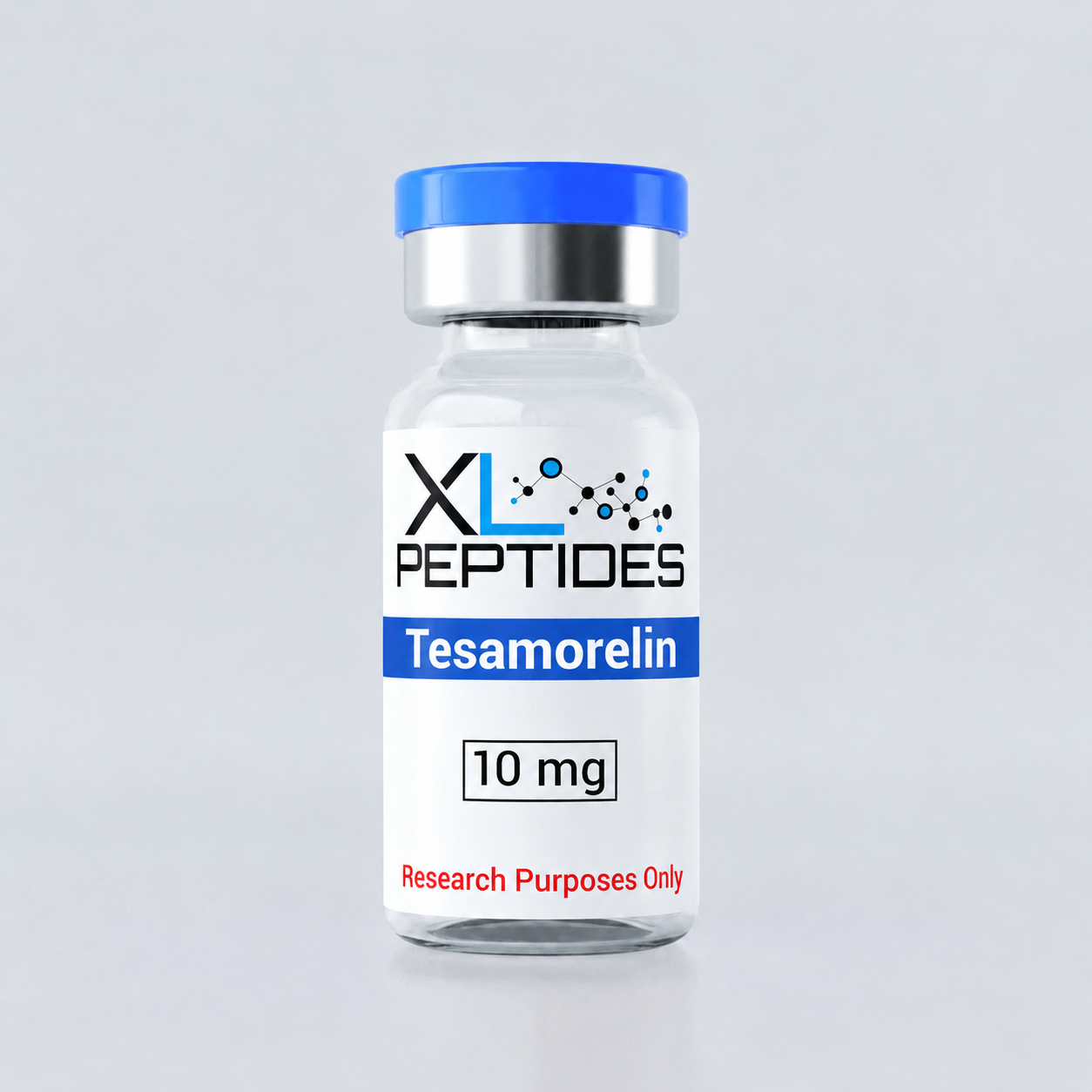
Tesamorelin
Price range: $56.00 through $390.00
Tesamorelin is a prescription medication that belongs to a class of therapies affecting the body’s growth hormone pathway. It is a synthetic analogue of growth hormone-releasing factor (GRF), also known as growth hormone-releasing hormone (GHRH). The medication stimulates the pituitary gland to release growth hormone, which subsequently increases production of insulin-like growth factor 1 (IGF-1).
Tesamorelin: Uses, Benefits, Safety, Treatment and Patient Information
Tesamorelin is a prescription medication that belongs to a class of therapies affecting the body’s growth hormone pathway. It is a synthetic analogue of growth hormone-releasing factor (GRF), also known as growth hormone-releasing hormone (GHRH). The medication stimulates the pituitary gland to release growth hormone, which subsequently increases production of insulin-like growth factor 1 (IGF-1).
Unlike growth hormone itself, tesamorelin works by stimulating the body’s own growth hormone pathway. As a result, it has a distinct mechanism and should not be considered interchangeable with recombinant human growth hormone.
Tesamorelin has a specific medical role rather than being a general-purpose weight-loss or anti-aging treatment. In particular, approved use has focused on reducing excess abdominal fat in certain adults with HIV-associated lipodystrophy. Therefore, treatment eligibility depends on the patient’s medical circumstances, the specific product, and applicable regulatory requirements.
This guide explains what tesamorelin is, how it works, its established medical use, potential benefits, possible side effects, monitoring considerations, and questions patients commonly ask.
What Is Tesamorelin?
Tesamorelin is a synthetic peptide designed to mimic the activity of naturally occurring growth hormone-releasing factor. By activating receptors involved in the growth hormone pathway, tesamorelin encourages the pituitary gland to release growth hormone.
Growth hormone then influences several biological processes, including metabolism and the production of IGF-1. Because these effects extend beyond abdominal fat, appropriate medical supervision remains important.
Tesamorelin is not the same substance as human growth hormone. Instead, it acts earlier in the physiological pathway by stimulating endogenous growth hormone release.
This distinction matters because the two therapies have different mechanisms, prescribing considerations, and clinical uses.
What Is Tesamorelin Used For?
The principal established indication for tesamorelin is the reduction of excess abdominal fat in certain adults living with HIV who have lipodystrophy.
HIV-associated lipodystrophy can involve abnormal changes in the distribution or accumulation of body fat. Some patients may develop increased visceral adipose tissue within the abdominal cavity.
Visceral fat differs from the subcutaneous fat located directly beneath the skin. Because visceral adipose tissue surrounds internal organs, changes in its amount can have important metabolic implications.
Tesamorelin was developed to target this specific clinical problem. Therefore, it should not automatically be viewed as a treatment for ordinary obesity, general weight loss, bodybuilding, or cosmetic abdominal-fat reduction.
The appropriate indication should always be confirmed against the prescribing information for the particular product available in the patient’s country.
How Does Tesamorelin Work?
Tesamorelin is structurally related to growth hormone-releasing factor. After administration, it interacts with receptors that stimulate the pituitary gland to release growth hormone.
Growth hormone then acts on tissues throughout the body and promotes production of IGF-1, primarily in the liver.
This pathway can influence fat metabolism and body composition. In patients for whom tesamorelin is medically appropriate, these effects can result in reductions in visceral abdominal adipose tissue.
However, the medication does not simply “burn abdominal fat” in the same way as a conventional weight-loss product. Its biological effects occur through a complex endocrine pathway.
Furthermore, individual responses can differ. Consequently, treatment results should be evaluated clinically rather than assumed from general claims about the medication.
Tesamorelin and Visceral Abdominal Fat
One of the most important terms associated with tesamorelin treatment is visceral adipose tissue, or VAT.
Visceral adipose tissue is stored around internal abdominal organs. It differs from subcutaneous fat, which is located underneath the skin.
For eligible adults with HIV-associated lipodystrophy, tesamorelin has been studied specifically for its ability to reduce visceral abdominal fat.
The distinction is important because a change in total body weight does not necessarily reflect a change in visceral fat. A treatment may affect body composition without producing a large change on the scale.
Therefore, clinical assessment may focus on body composition and other relevant measures rather than weight alone.
Potential Benefits of Tesamorelin Treatment
When prescribed for an appropriate indication, tesamorelin may provide several clinically relevant effects.
Reduction in Visceral Adipose Tissue
The primary therapeutic objective is reduction of excess visceral abdominal fat in the appropriate patient population.
Clinical studies have demonstrated reductions in visceral adipose tissue among appropriately selected patients receiving tesamorelin.
However, the magnitude of response can vary between individuals. Treatment should therefore be evaluated using appropriate clinical measurements rather than relying on generalized expectations.
Effects on Body Composition
Because tesamorelin influences the growth hormone and IGF-1 pathway, it can affect body composition.
Importantly, these effects should not be interpreted as evidence that tesamorelin is an unrestricted body-recomposition medication.
Its established medical role is narrower, and treatment decisions should remain connected to the approved indication.
Potential Metabolic Considerations
Visceral fat is associated with metabolic health, which is one reason it can be clinically relevant in people with HIV-associated lipodystrophy.
Nevertheless, patients should not assume that reducing visceral fat with tesamorelin will eliminate other cardiovascular or metabolic risks.
Instead, treatment should form part of a broader medical strategy that may include appropriate nutrition, physical activity, HIV management, and monitoring of metabolic health.
Tesamorelin Is Not a General Weight-Loss Drug
Tesamorelin is sometimes discussed online in the context of weight loss and body composition. However, this can create confusion about its actual medical role.
The medication was developed for a specific patient population and indication. Consequently, it should not be marketed as a universal solution for obesity or cosmetic fat reduction.
A person who wants to lose weight but does not have the relevant medical indication should discuss evidence-based options with a healthcare professional.
Similarly, people seeking treatment for ordinary abdominal fat should not assume that tesamorelin is appropriate simply because it affects visceral adipose tissue.
Is Tesamorelin the Same as HGH?
No. Tesamorelin and recombinant human growth hormone are different medications.
Tesamorelin stimulates the body’s growth hormone release pathway. HGH or somatropin, by contrast, is recombinant growth hormone itself.
Although both can influence IGF-1 and related biological pathways, they are not interchangeable.
Their approved indications also differ. Therefore, patients should not substitute one for the other without appropriate medical direction.
Possible Tesamorelin Side Effects
Like other prescription medications, tesamorelin can cause adverse effects.
Reported or clinically important adverse reactions can include:
-
Injection-site reactions
-
Joint pain
-
Muscle pain
-
Swelling or fluid retention
-
Tingling or numbness
-
Increased blood glucose
-
Headache
-
Increased IGF-1 levels
-
Hypersensitivity or allergic reactions
The severity and frequency of adverse effects can vary.
Patients should report persistent, severe, or unusual symptoms to their healthcare provider. In addition, symptoms suggesting a serious allergic reaction require prompt medical attention.
Tesamorelin and Blood Sugar
Tesamorelin can affect glucose metabolism because of its influence on the growth hormone pathway.
For this reason, healthcare professionals may monitor blood glucose and related measures during treatment.
Patients with diabetes, prediabetes, or other glucose-related conditions should make sure their prescribing clinician knows about their medical history.
Changes in glucose control may require additional assessment or management.
Tesamorelin and IGF-1 Monitoring
Tesamorelin stimulates growth hormone activity and consequently increases IGF-1 levels.
IGF-1 can be measured through blood testing and may provide useful information about the body’s response to treatment.
However, more IGF-1 is not automatically better. Excessive levels may increase the risk of unwanted effects.
Therefore, clinicians may use IGF-1 measurements alongside symptoms, medical history, and other clinical information when evaluating therapy.
Who May Need Caution With Tesamorelin?
Tesamorelin is not appropriate for everyone.
Before treatment begins, healthcare professionals may consider factors such as:
-
Medical history
-
Existing endocrine disorders
-
Cancer history
-
Glucose regulation
-
Pregnancy status where applicable
-
Allergies
-
Current medications
-
Previous reactions to related therapies
Patients should provide an accurate medication and supplement list. This information helps clinicians identify potential interactions and determine whether additional monitoring is appropriate.
Tesamorelin and Cancer Considerations
Growth hormone and IGF-1 participate in cellular growth pathways. Consequently, cancer history can be an important consideration when evaluating tesamorelin treatment.
The prescribing information for the relevant product should be reviewed carefully for contraindications, warnings, and precautions concerning malignancy.
Patients with a history of cancer should discuss their individual circumstances with their healthcare provider before treatment.
This is one reason tesamorelin should not be treated like an ordinary wellness supplement.
Tesamorelin During Pregnancy
Tesamorelin treatment requires particular consideration during pregnancy.
Patients who are pregnant, planning pregnancy, or breastfeeding should discuss their circumstances with a qualified healthcare professional.
The appropriate decision depends on the specific medication, clinical situation, and current prescribing information.
Patients should not independently start, stop, or change prescription therapy during pregnancy.
How Is Tesamorelin Administered?
Tesamorelin is administered by subcutaneous injection. The exact preparation and administration procedure depends on the specific formulation.
Patients should receive appropriate instructions from a healthcare professional or follow the official product instructions supplied with their prescription.
Important practical considerations can include:
-
Preparing the medication according to product instructions
-
Using appropriate injection technique
-
Rotating injection sites as instructed
-
Following storage requirements
-
Disposing of needles safely
-
Avoiding use of damaged or improperly stored medication
Because formulations can differ, generic instructions found online should not replace the directions supplied with the patient’s specific product.
Tesamorelin Storage
Storage requirements depend on the formulation and manufacturer.
Some injectable medications require refrigeration or have specific requirements after reconstitution. Others may have particular limits regarding temperature, light exposure, or handling.
Patients should therefore follow the storage instructions supplied with their prescription.
Medication that has been stored incorrectly should be assessed by a pharmacist or healthcare professional before use.
How Long Does Tesamorelin Treatment Last?
Treatment duration depends on the individual medical situation and the specific prescribing information.
Healthcare professionals may periodically reassess whether the medication remains appropriate and whether the patient is achieving a meaningful response.
Long-term treatment should not be assumed to be necessary for every patient.
Instead, ongoing therapy should be guided by clinical response, safety considerations, and the approved use of the medication.
Tesamorelin Treatment and HIV Care
For eligible people with HIV-associated lipodystrophy, tesamorelin may be considered alongside established HIV treatment.
It should not replace antiretroviral therapy or other essential components of HIV care.
Comprehensive management may involve regular medical follow-up, medication review, metabolic monitoring, nutrition, physical activity, and assessment of cardiovascular risk.
Consequently, tesamorelin should be viewed as one component of a broader treatment plan rather than a standalone solution.
Tesamorelin vs. Other Peptide Therapies
The term “peptide therapy” covers a wide range of substances with very different mechanisms and regulatory statuses.
Tesamorelin is a specific prescription medication with a defined mechanism and medical indication. Therefore, it should not automatically be grouped with unapproved or investigational peptides promoted online.
Consumers should be particularly cautious when websites make broad claims about peptide therapies for anti-aging, muscle growth, fat loss, or general wellness.
A medication’s regulatory status and approved indication are more meaningful than promotional descriptions.
What Patients Should Discuss With Their Doctor
Before beginning tesamorelin treatment, patients may want to discuss:
-
Why the medication is being prescribed
-
The expected therapeutic goal
-
Relevant medical conditions
-
Potential side effects
-
Required blood tests
-
Current medications and supplements
-
Injection instructions
-
Storage requirements
-
How treatment response will be assessed
-
When follow-up appointments should occur
These discussions can help patients understand both the potential benefits and the limitations of treatment.
Frequently Asked Questions About Tesamorelin
What is tesamorelin used for?
Tesamorelin is used for the reduction of excess visceral abdominal fat in certain adults with HIV-associated lipodystrophy, subject to the approved indication of the particular product and local regulatory requirements.
Does tesamorelin help reduce belly fat?
Tesamorelin has been studied specifically for reducing visceral abdominal adipose tissue in the indicated patient population. It should not, however, be presented as a general cosmetic treatment for abdominal fat.
Is tesamorelin HGH?
No. Tesamorelin stimulates the release of endogenous growth hormone, whereas somatropin is recombinant human growth hormone itself.
Does tesamorelin cause weight loss?
Changes in visceral fat and body composition can occur during treatment, but tesamorelin should not be characterized as a general-purpose weight-loss medication.
Does tesamorelin increase IGF-1?
Yes. Tesamorelin stimulates the growth hormone pathway and can increase circulating IGF-1 levels. Clinical monitoring may therefore be appropriate.
Is tesamorelin available by prescription?
Tesamorelin is a prescription medication in jurisdictions where it is approved. Availability and regulatory requirements can vary by country.
How is tesamorelin taken?
Tesamorelin is administered by subcutaneous injection. Product-specific preparation and administration instructions should be followed carefully.
What are common tesamorelin side effects?
Potential adverse effects include injection-site reactions, joint or muscle discomfort, fluid retention, changes in glucose regulation, and increases in IGF-1. The prescribing information should be consulted for the complete safety profile.
Responsible Use of Tesamorelin
Reliable information is particularly important when researching prescription peptide medications.
Online sources sometimes describe tesamorelin as a cosmetic fat-loss treatment or general wellness product. Such descriptions can overlook the medication’s specific indication, contraindications, and monitoring requirements.
Patients should instead evaluate information from recognized regulatory agencies, official prescribing information, qualified healthcare professionals, and reputable medical references.
Furthermore, medication obtained from unauthorized sources can present additional concerns involving authenticity, storage, labeling, strength, and contamination.
Final Thoughts
Tesamorelin is a affects growth hormone and IGF-1 physiology, treatment can influence several metabolic processes. Therefore, appropriate patient selection, monitoring, and follow-up are prescription peptide therapy that acts through the growth hormone-releasing pathway. Its established medical role centers on reducing excess visceral abdominal fat in certain adults with HIV-associated lipodystrophy.
Because tesamorelin affects growth hormone and IGF-1 physiology, treatment can influence several metabolic processes. Therefore, appropriate patient selection, monitoring, and follow-up are important.
Tesamorelin should not be confused with HGH or treated as a universal weight-loss, bodybuilding, or anti-aging medication. Instead, its use should be connected to an appropriate medical indication and the prescribing information for the specific product.
For patients considering treatment, a qualified healthcare professional can evaluate medical history, potential benefits, possible risks, and appropriate monitoring. In addition, patients already receiving therapy should follow their prescribed instructions and attend recommended follow-up appointments.
Ultimately, understanding tesamorelin treatment, benefits, side effects, eligibility, and safety considerations can help patients make informed decisions in partnership with their healthcare providers.
This version is optimized around “tesamorelin treatment,” “tesamorelin benefits,” “tesamorelin side effects,” “tesamorelin prescription,” “tesamorelin eligibility,” and related long-tail searches, without turning the page into an unauthorized-drug sales pitch.
| Weight | 2mg 10vials, 5mg 10vials, 10mg 10vials, 20mg 10vials |
|---|
Be the first to review “Tesamorelin”
Related products
PEPTIDES
PEPTIDES
PEPTIDES
PEPTIDES
PEPTIDES
PEPTIDES
PEPTIDES
PEPTIDES
Reviews
There are no reviews yet.