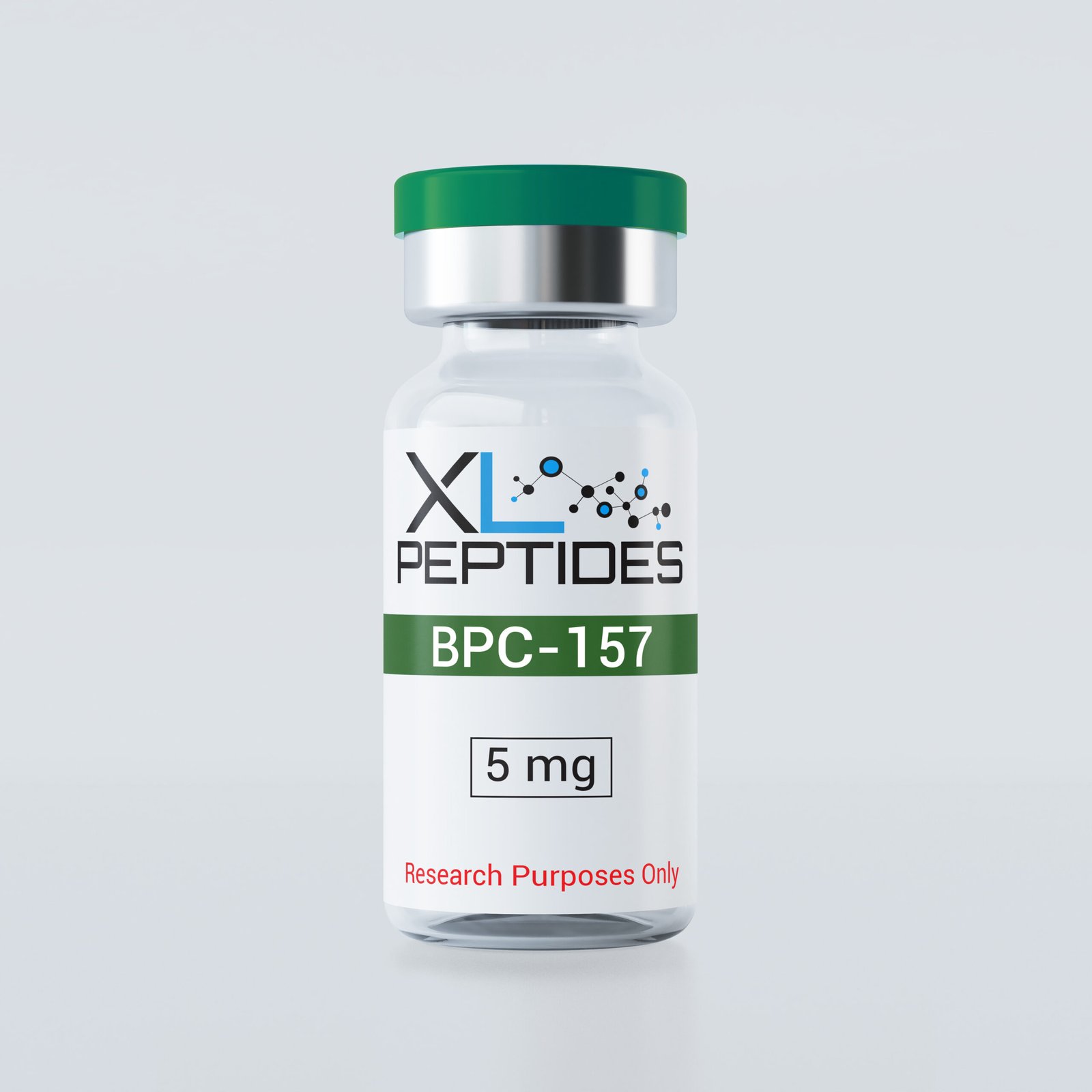
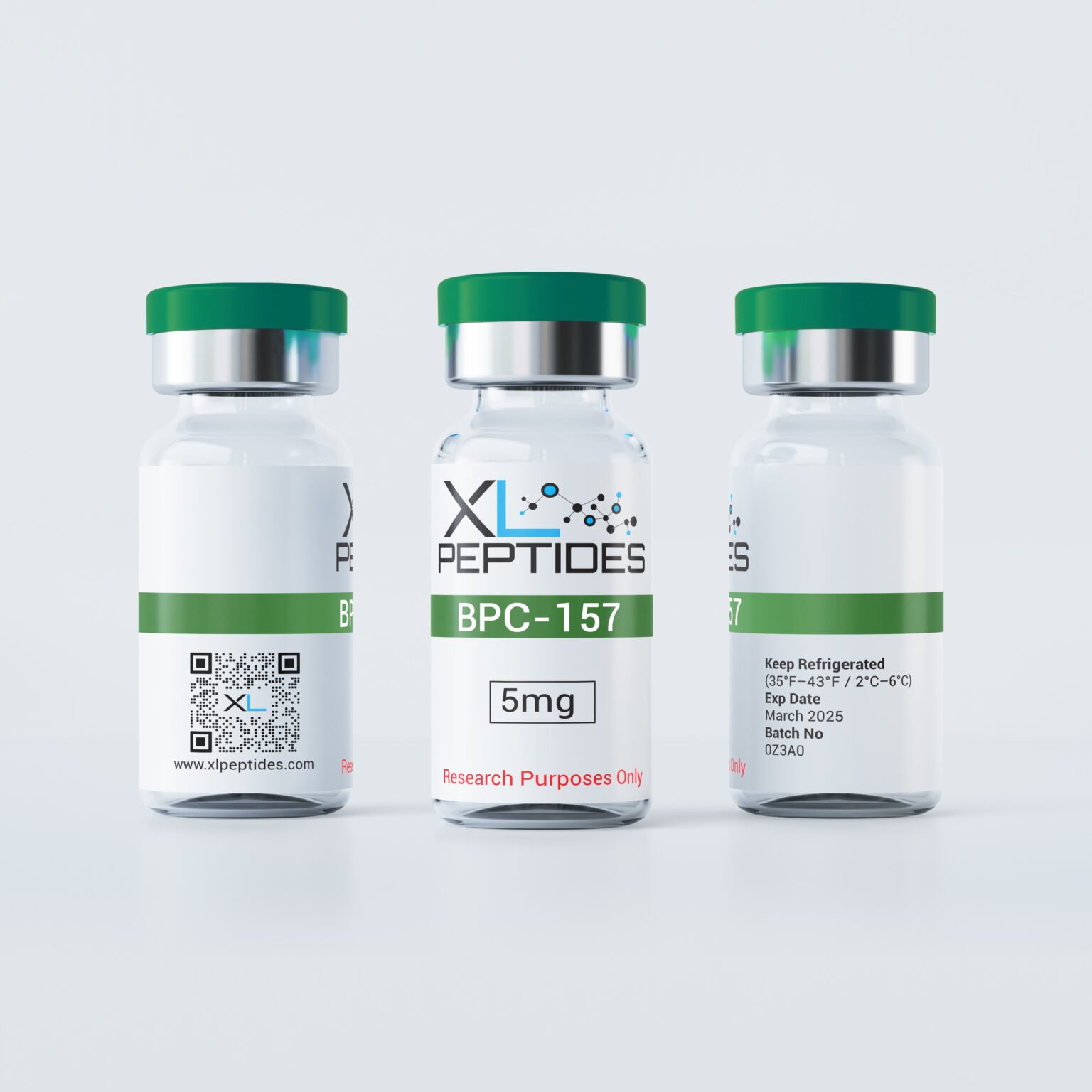
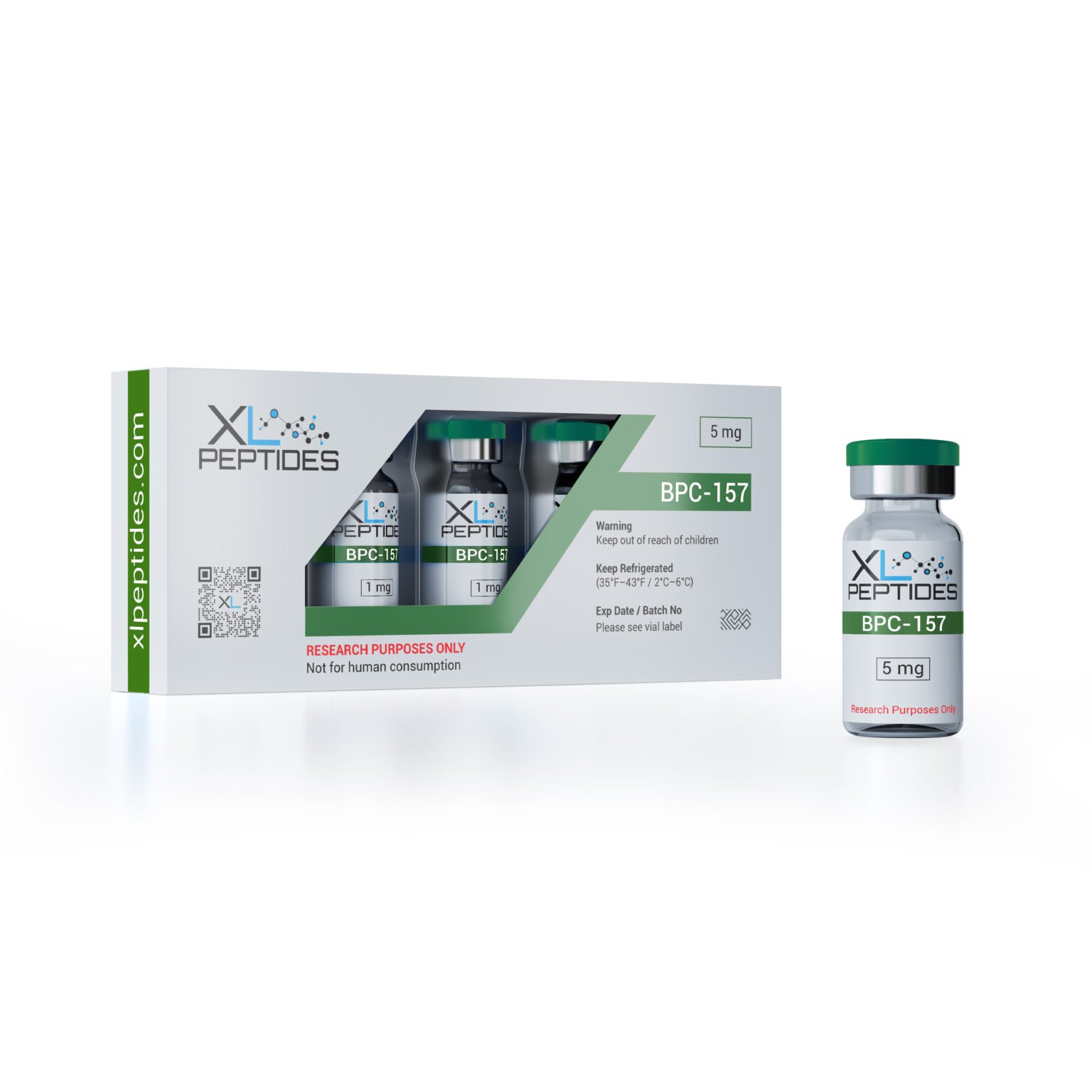
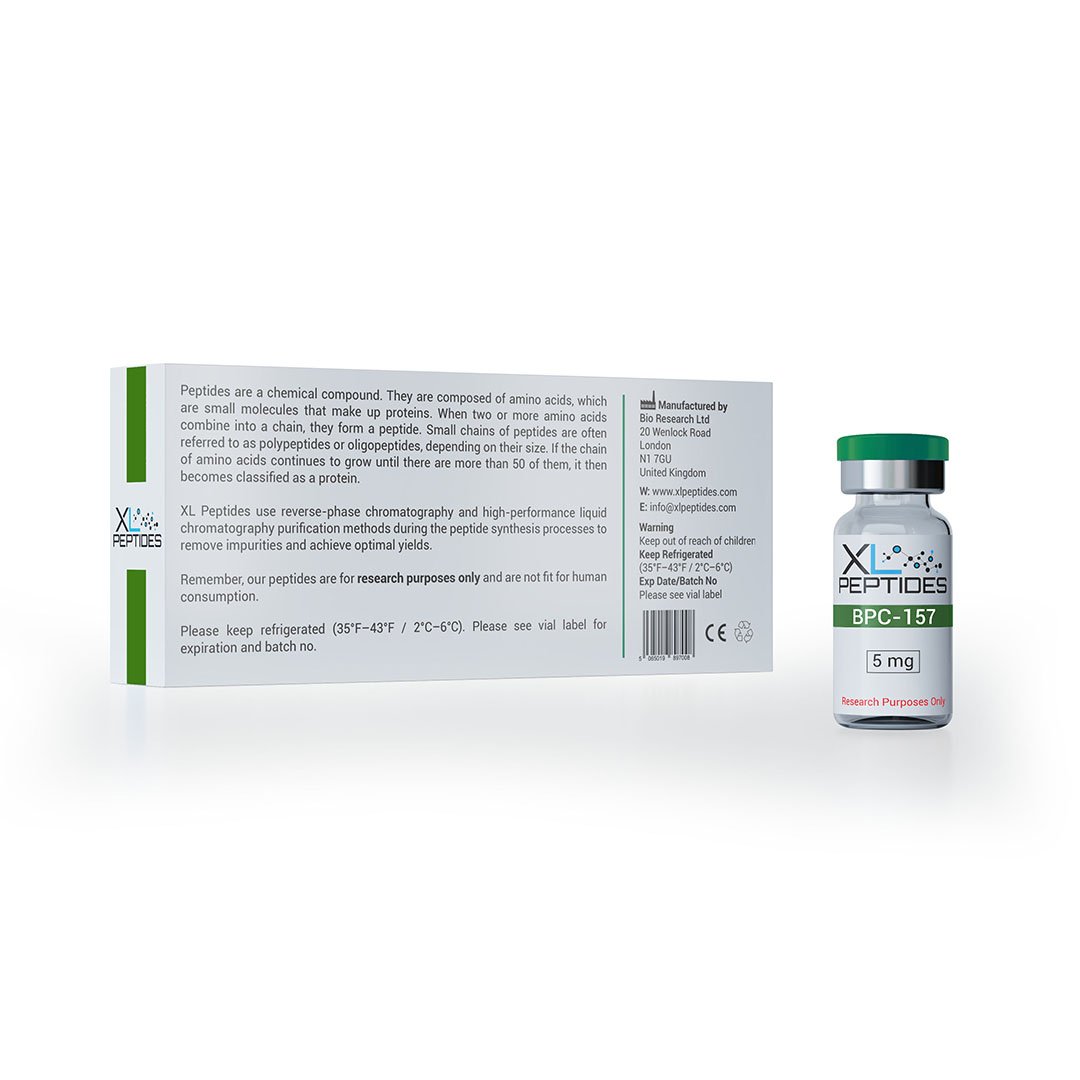
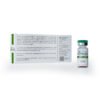
BPC-157 5mg
Price range: $40.00 through $70.00
BPC-157 is a synthetic peptide that has attracted considerable interest in preclinical research. Researchers have investigated this peptide in experimental models involving cellular processes, tissue biology, and other physiological pathways. As a result, BPC-157 has become a frequently discussed compound within the broader field of peptide research.
BPC-157 Research Peptide
BPC-157 Research Peptide for Laboratory Use
BPC-157 is a synthetic peptide that has attracted considerable interest in preclinical research. Researchers have investigated this peptide in experimental models involving cellular processes, tissue biology, and other physiological pathways. As a result, BPC-157 has become a frequently discussed compound within the broader field of peptide research.
Our BPC-157 is supplied as a research-use-only material for qualified laboratories and scientific investigators. It is not intended for human consumption, self-administration, diagnosis, treatment, or prevention of any disease or medical condition.
For researchers evaluating peptide compounds, product identity and documentation matter. Therefore, each research material should be assessed according to the laboratory’s own quality requirements, experimental objectives, and applicable regulations.
What Is BPC-157?
BPC-157 is a synthetic peptide consisting of 15 amino acids. It is derived from a sequence associated with a protective protein found in gastric juice and has subsequently been studied as an independent research compound.
Because BPC-157 is a relatively small peptide, researchers can investigate its characteristics within controlled laboratory systems. Preclinical research has examined several biological mechanisms associated with the compound. However, experimental findings should not automatically be interpreted as evidence of established clinical benefits.
In particular, BPC-157 is sometimes promoted online with claims concerning healing, recovery, muscle growth, gastrointestinal health, or other medical outcomes. Such claims can go beyond the available evidence. Consequently, responsible product information should distinguish experimental research from approved medical applications.
BPC-157 Research Applications
BPC-157 has been investigated in a variety of preclinical research settings. Studies have explored biological responses involving tissue processes, cellular signaling, vascular mechanisms, and gastrointestinal systems.
Nevertheless, the precise research application depends on the experimental model and methodology selected by the investigator. Researchers should therefore consult relevant scientific literature and establish appropriate protocols before incorporating BPC-157 into an experiment.
Furthermore, results from animal or in-vitro models cannot automatically be transferred to human applications. Each research model provides a particular type of evidence, and conclusions should remain proportional to the data obtained.
For this reason, BPC-157 is best described as an experimental research peptide rather than as a clinically established therapeutic compound.
BPC-157 Product Characteristics
A research-grade BPC-157 product should be clearly identified and accompanied by appropriate product information. Depending on the supplier and batch, documentation may include analytical specifications, batch identification, purity information, and a certificate of analysis.
Important product details can include:
- Product name: BPC-157
- Product category: Synthetic research peptide
- Intended use: Scientific and laboratory research
- Research status: Research use only
- Form: As specified for the individual product
- Quantity: As stated on the product label
- Batch identification: Where applicable
- Analytical documentation: Available according to the specific batch and supplier
Researchers should always verify the documentation associated with the exact product lot they receive. Moreover, laboratory requirements can differ, so independent analytical verification may be appropriate when experimental reproducibility or material characterization is particularly important.
Why Product Purity Matters
Purity is an important consideration when selecting a research peptide. A laboratory experiment can be affected by the composition and quality of the material being evaluated. Therefore, researchers should consider analytical documentation alongside product specifications.
High-quality research materials should be supported by transparent information whenever possible. For example, analytical testing may provide information about peptide identity and purity. HPLC and mass spectrometry are among the analytical techniques commonly used to characterize peptide materials.
However, a single percentage displayed on a product page should not be treated as a complete assessment of research suitability. Instead, investigators should review the available analytical documentation and determine whether it meets their own laboratory standards.
In addition, batch-level traceability can improve research organization. By recording the product name, lot number, documentation, and relevant storage information, laboratories can more effectively associate experimental findings with the material used.
Certificate of Analysis for BPC-157
A certificate of analysis, commonly abbreviated as COA, can provide useful information about a particular research-peptide batch. Depending on the supplier, the document may identify the product, batch, analytical method, reported purity, and other relevant specifications.
For researchers comparing BPC-157 suppliers, a batch-specific COA can therefore be an important purchasing consideration.
At the same time, researchers should examine COAs critically. A document should contain enough information to identify the tested material and should correspond to the actual batch supplied. Generic documents
| Weight | 2mg 10vials, 5mg 10vials, 10mg 10vials |
|---|
Be the first to review “BPC-157 5mg”
Related products
PEPTIDES
PEPTIDES

PEPTIDES
PEPTIDES
PEPTIDES
PEPTIDES
PEPTIDES
PEPTIDES
Reviews
There are no reviews yet.